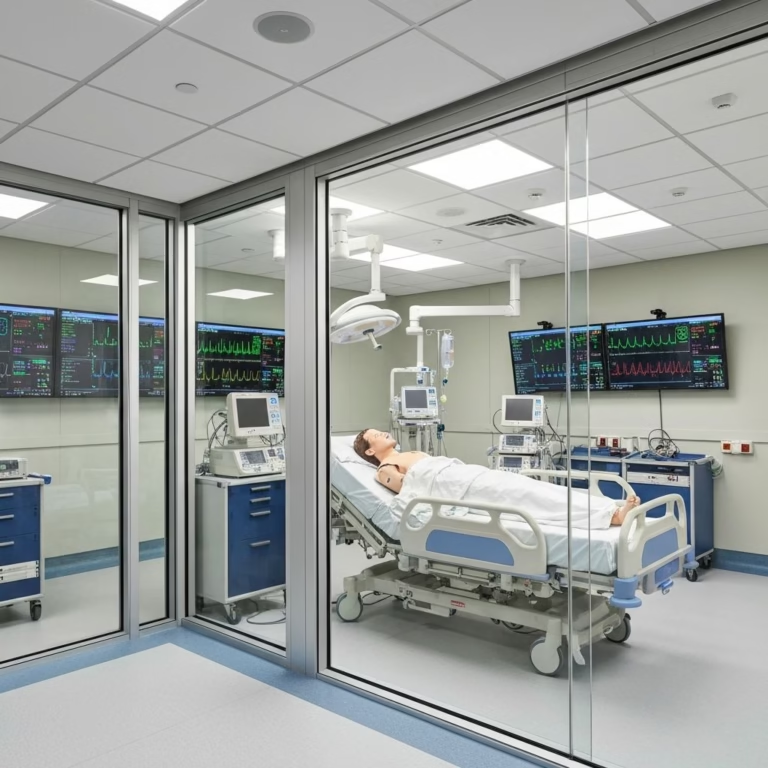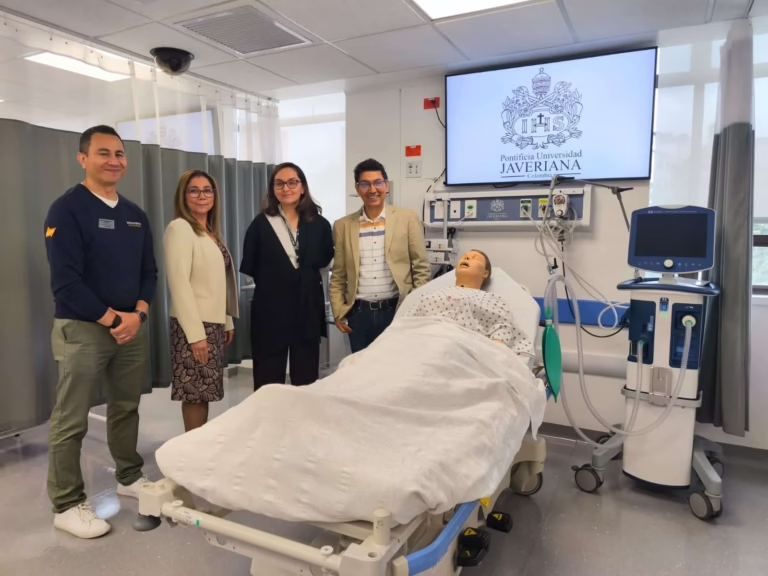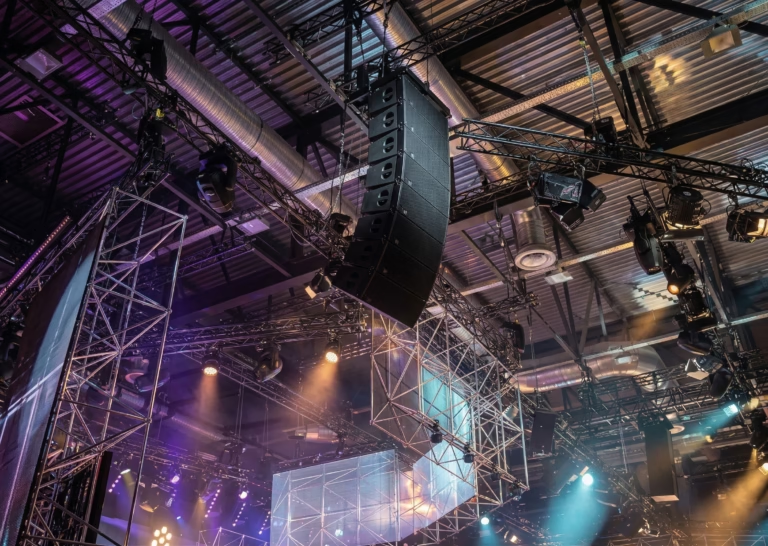
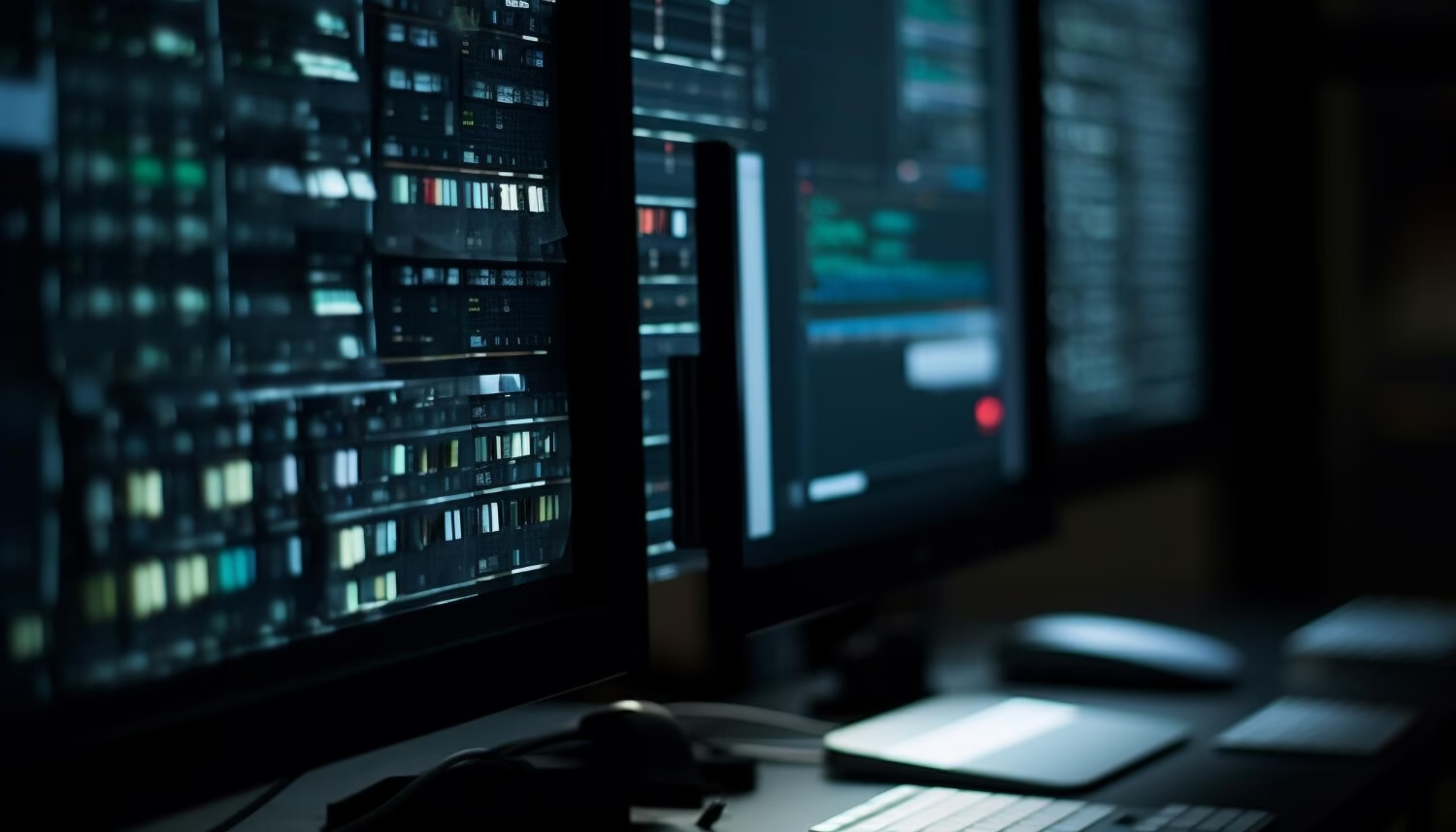
A control room is the space from which a process or service is supervised and operated in real time: a plant, a transit network, a security system, or a data center. It brings together information from different systems, so operators can spot an anomaly and act before it escalates.
Integración AV designs and integrates control rooms in Colombia as part of its monitoring and control centers line. This guide explains what a control room is for, how it’s designed, and what technology makes it up.
In short
- “Control center” is another name for a control room; it sometimes indicates a larger installation.
- It supervises a process, not just a space: its wall shows video and operating variables.
- The design starts with what’s being supervised and how many operators work per shift.
- Video wall, processor, KVM, seats, and room control are all defined together from the planning stage.
Control room, control center, and monitoring center
Definition
In practice, “control room” and “control center” name the same type of space.
Some organizations reserve “control center” for larger installations, with several rooms or regional operations, but the technical problem is the same: many sources, one shared wall, and operators in shifts.
The difference from a monitoring center is one of focus. A monitoring center watches a space, mostly with cameras; a control room supervises a process and shows, in addition to video, variables such as levels, equipment status, or information flows. A crisis room is different: it activates once a situation has already escalated, as explained in what a crisis room is for.
What a control room is for
- Coordinating distributed operations
- It brings together in one place the information from sites, teams, and processes spread across locations.
- Getting ahead of problems
- With a full view of the systems, operators spot patterns and correct a deviation before it turns into an emergency.
- Deciding with up-to-date information
- Decision-makers assess scenarios with real-time data instead of after-the-fact reports.
- Cutting response times
- When something fails, the alert and the information needed are on the same wall, visible to the whole team.
- Logging what happens
- A history of events and actions makes it easier to investigate an incident and improve procedures.
How a control room is designed
The design starts with two questions: what will be supervised and how many operators will work at once per shift. From there come the wall’s size, the number of sources, the number of seats, and the room’s shape.
Operator stations and consoles
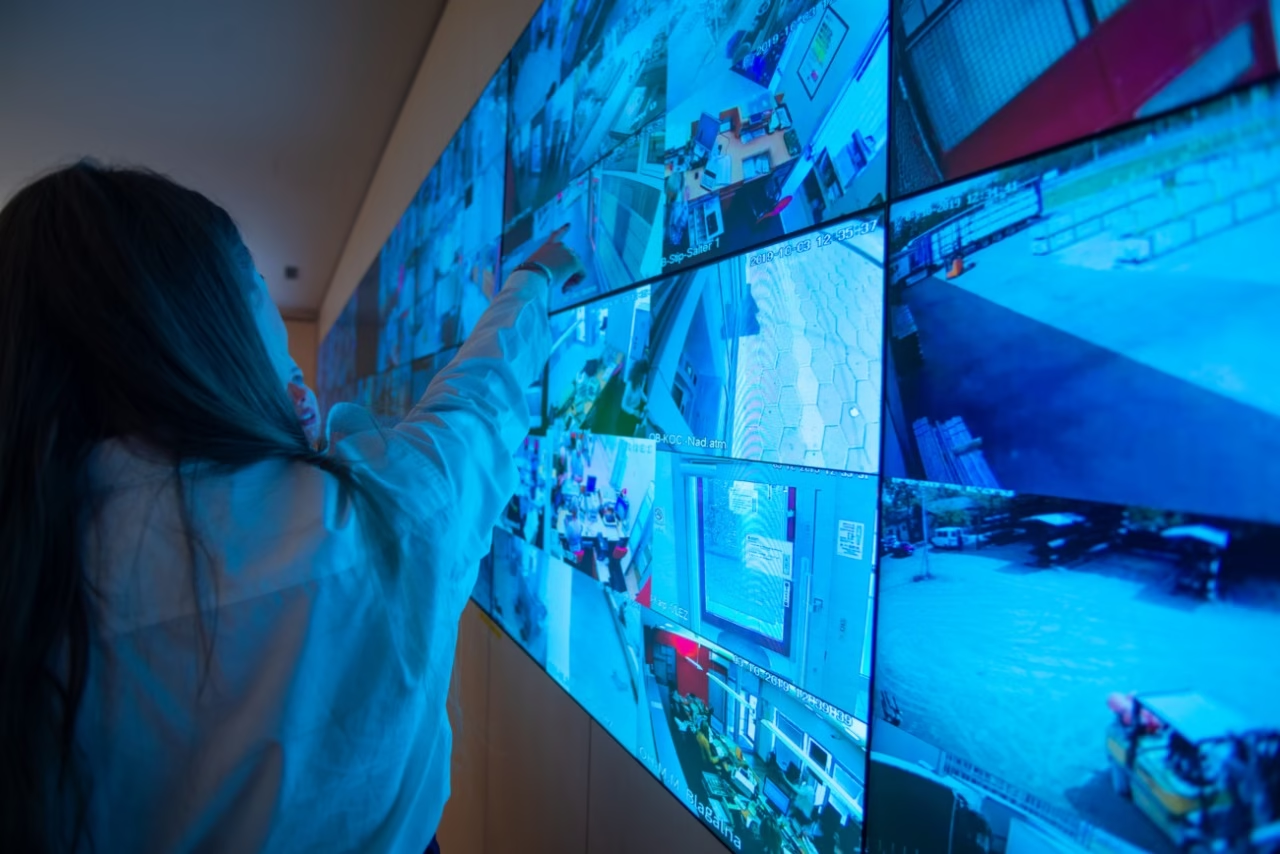
Every operator needs an unobstructed view of the shared wall and their own work screens within reach, and the supervisor needs to see the wall and their team at the same time.
Consoles, the technical furniture each operator works at, are best defined together with the AV design. They house equipment and cabling, and set the actual distance between the operator and the wall.
Video wall: LED or LCD
A control room’s wall can be built with thin-bezel LCD panels or LED modules. LCD offers high resolution per panel and works well for text and data viewed up close, though the seam between panels shows; LED forms a continuous, seamless surface and adapts to custom sizes and formats.
The choice depends on viewing distance, content type, and the room’s light. In video wall installation we explain how it’s decided and installed.
Processor and wall control
The video wall processor receives the signals from every source and decides what shows in each window on the wall. With it, operators rearrange the view based on the situation and save preset layouts for each type of event.
KVM switching
Many control rooms use KVM (keyboard, video, and mouse) switching. With it, an operator runs several computers housed in a technical room from their own seat, and can send their screen to the wall, which keeps the equipment out of the room, cuts noise and heat, and simplifies cabling.
Lighting, acoustics, and room control
Room lighting has to be indirect and dimmable, with no glare on the wall, and equipment and conversation noise is controlled for long shifts. Powering on the room and switching display scenarios is handled from a touch panel, with Crestron programming built to the operation.
Where a control room is used
Public agencies
Supervise mobility, security, or infrastructure in real time.
Security companies
Run surveillance for several sites or clients from one point.
Corporate operations centers
Centralize the company’s indicators, cameras, and systems.
Plants, networks, and data centers
Need to see their critical systems’ status without interruption.
In surveillance cases, the control room is often connected to outside agencies such as police or fire departments, so the alert goes out immediately. If your project is about permanent surveillance of a space, the monitoring room installation guide may also help.
Technology we integrate in control rooms
We work with Polywall for video wall software, Unilumin for LED walls, and Crestron for room automation and control. To coordinate with field staff or other sites, we integrate video conferencing with platforms such as Cisco and Poly.
We’ve been integrating audiovisual spaces in Colombia since 2006, based in Bogotá, with an office in Medellín and national coverage. When existing equipment is in good condition, we integrate it into the new room instead of replacing it.
Frequently asked questions about control rooms
What’s the difference between a control room and a control center?
In practice they name the same type of space: a place from which a process or service is supervised and operated in real time. Some organizations use “control center” for larger installations, with several rooms or regional operations, but the technology and design criteria are the same.
What is a KVM used for in a control room?
It lets an operator control several computers housed in a technical room from their own seat, with a single keyboard, mouse, and screens. That keeps the equipment out of the room, cuts noise and heat, and lets the operator send their screen to the wall whenever the team needs to see it.
What video wall works best for a control room?
It depends on viewing distance and content. For data and text viewed a few meters away, a thin-bezel LCD panel wall usually works; when a continuous, seamless surface or a custom format is needed, LED is used. The decision is made during design, based on the operators’ actual position.

Let’s Design Your Operation’s Control Room
Tell us what you need to supervise, how many operators will work per shift, and what systems you have today. With that information we prepare a proposal with the design, scope, schedule, and after-sales model.
Request a Technical Consultation Message us on WhatsApp
Bogotá and Medellín · +57 301 656 9858